Resources
There is a notable lack of books and resources for people who are doing homeschooling a different way, making sure it is responsible, and without expecting it to be a solution to all of the issues in education. I am working on creating my own, because I have searched for resources to send people and struggle to find what I’m looking for. So this is a work in progress, and I will add to it as I find things.
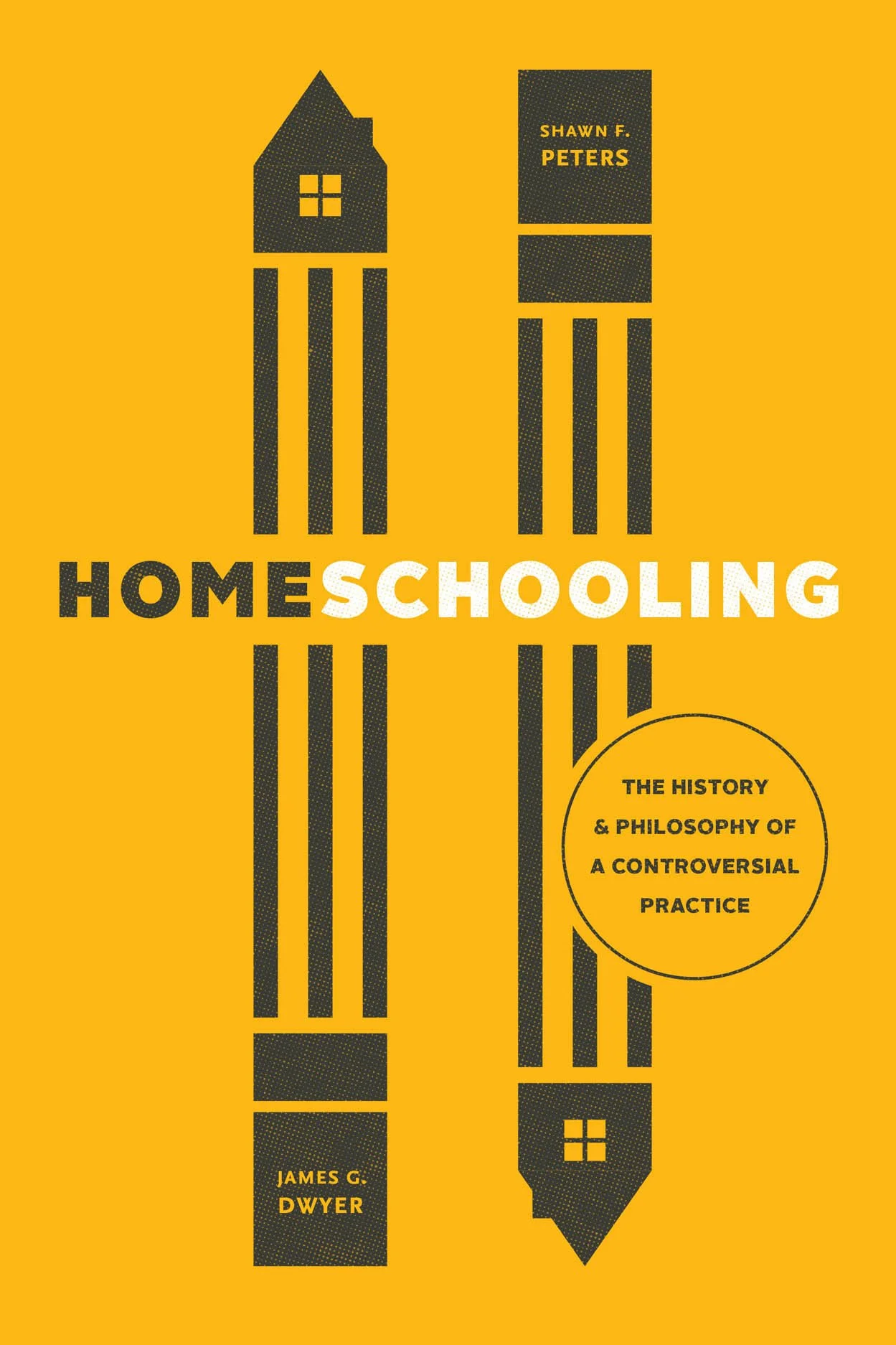
Homeschooling: The History and Philosophy of a Controversial Practice
James G. Dwyer and Shawn F. Peters
This is an academic book written by researchers without an agenda for or against homeschooling. It answered so many questions for me, like why homeschooling has been so intertwined with the religious right, why the homeschool community seems so defensive about any questioning or resistant to critical reflection. It answered my questions as to why homeschooling is correlated with abuse, and why homeschool legal advocates fight so hard to completely eliminate any oversight or regulation.
Homeschooling is a practice rooted in history, politics, and social movements. These frameworks influence people homeschooling today whether they realize it or not.
Coalition for Responsible Home Education
Founded and run by people who were homeschooled, the Coalition for Responsible Home Education empowers homeschooled children by educating the public and advocating for child-centered, evidence-based policy and practices for families and professionals.
The CRHE was founded to advocate for the children who suffer educational neglect, abuse and neglect that are disturbingly common in the homeschool community. It is hard to get data on these children or for social services to intervene, because there are so few regulations that require parents inform anyone of their intent to homeschool, or any safety nets in place for children who are being homeschooled in unsafe situations, like living with a registered sex offender, or being pulled from school to homeschool while their parent has a CPS investigation against them ongoing. They run the “Invisible Children Project” which works to identify and protect these children.
International Center for Home Education Research
While research about homeschooling abounds, it can be hard to navigate. Much of it is conducted by organizations with a stake in homeschooling advocacy or opposition and a political bent. There are methodological issues with much of the research conducted, that can be hard to understand for lay people without a background in interpreting qualitative and quantitative data.
ICHER stands out as a reliable source of data. From their website:
The International Center for Home Education Research was founded in 2012 by a group of international scholars with more than 70 years of combined experience studying homeschooling. What sets ICHER apart from most national and international homeschool organizations is that we are not an advocacy group. As longtime observers of home education across a variety of contexts, we have great appreciation for homeschooling’s value and importance, but our purpose is not to promote home education or argue for its superiority over other forms of schooling.
Instead, our goals are threefold:
to provide nonpartisan information about homeschooling to media outlets and the public
to offer detailed analyses of emerging research on home education
to encourage networking and collaboration among scholars
The quality of research on homeschooling varies widely. Alongside responsible and careful scholarship there exists deeply flawed research focused more on scoring political points than furthering understanding. To compound matters, advocacy organizations sometimes sponsor research studies and then popularize the results in misleading ways. As a result, unsuspecting journalists and even academic scholars often have difficulty discriminating between well-conducted, carefully analyzed research and political spin.
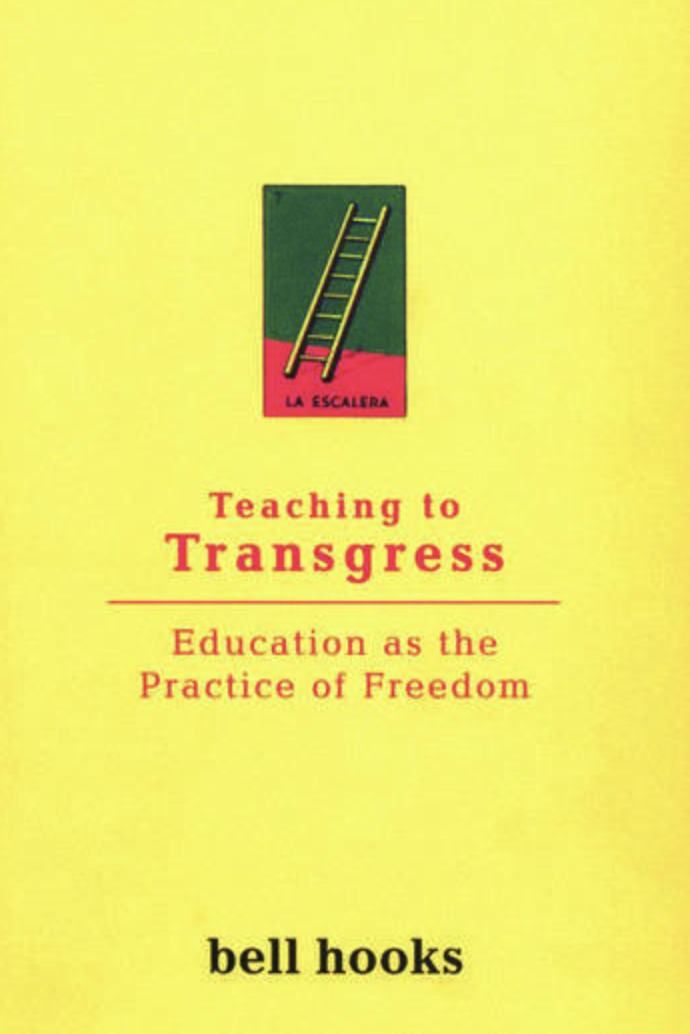
Teaching to Transgress by bell hooks
This is a classic among educators, who are learning to recognize their own biases and harmful ideas about education. hooks investigates intersectionality, and shows how teachers can unknowingly be teaching conformity, obedience to authority, and a racist, patriarchal, and capitalist system.
Homeschool teachers are not exempt from needing to challenge their ideas of what education is, and how what we have been taught to be normal can be doing harm. They are in a powerful position to be able to “teach to transgress” with fewer obstacles than traditional teachers face.
Any of hook’s books are recommended, but especially books in this same series Teaching Community and Teaching Critical Thinking.